UPDATE: 15 Dec 2022
This page continues to receive many regular visits, so an effort has been made to keep it current.
In summary, with any additives that are legal but still of possible concern, it is best to study your own body’s reaction and respond accordingly. For example, peanuts are generally considered safe, but could be fatal to some people. It’s up to each person to determine what foods and additives make their body feel best.
Whenever a criticism of MSG is presented, some people are quick to say that it’s xenophobic and anti-Asian. As you’ll see from the sources below, including the Mayo Clinic and other clinical sources, the concerns are not a veiled criticism of Asian culture.
Let it be stated and affirmed at the outset of this page, that the entirety of Asian culture, including cuisine, is beneficial for health. The practice of starting the day with Tai Chi or similar exercises. The habit of drinking tea. The emphasis on vegetables with small portions of protein sources. These are all very good. In fact, in some Asian countries, government agencies rightly warn against a “Western Diet” and the obesity that accompanies it.
It’s absurd to think that people concerned about MSG are anti-Asian. They go to Asian food restaurants, and go back again. They simply don’t want to have MSG in their Asian food. If they were anti-Asian, they would only eat at Arby’s, Burger King, McDonald’s, and Wendy’s.
On 11 Dec 2022, a short news report from CBS conveyed the traditional defenses of MSG. [View] “It’s natural so it must be okay” and “Only anti-Asian people are concerned about MSG.” These are outdated false anecdotal conclusions that aren’t science-based. The reality is that some people react to MSG, and they should be allowed to avoid the substance without being stigmatized or considered racist.
Introduction
This page has been established to provide information about the potential negative side effects of Monosodium Glutamate (MSG). It was originally posted on 3 Sep 2008 and was revised on 8 Apr 2020 due to high demand for the content. The post has been dated to reflect the revision date.
MSG was first prepared in 1908 by Japanese biochemist Kikunae Ikeda. [Source] The ribonucleotide food additives disodium inosinate (E631) and disodium guanylate (E627), as well as conventional salt are usually used with monosodium glutamate-containing ingredients as they seem to have a synergistic effect. [Source]
The most comprehensive research on MSG safety, commissioned by the U.S. Government, resulted in a 1995 report approximately 300-pages in length. That entire report has been mysteriously removed from every online source. Only the controversial ‘Executive Summary’ remains.
Adrienne Samuels stated the following in regard to the now missing report: “The FASEB report on the safety of monosodium glutamate (MSG) in food (Raiten et al. 1995) has grossly misrepresented the facts of the safety/toxicity of MSG, ignoring data that prove that MSG causes brain damage, learning disorders, obesity, stunted growth, infertility and other endocrine problems.” [Source: American Institute of Nutrition, Adrienne Samuels]
More about that missing report is found further down on this page.
With an estimated 5.8 billion dollars in annual revenue [Source], the secretive syndicate of MSG manufacturers are one of the world’s most powerful lobbying organizations, strongly influencing MSG research and government regulation globally. The transport of MSG is impacted by the Bioterrorism Act of 2002, something the MSG cartels have been fighting against.
Hazards Overview
Many people have experienced negative side effects from ingesting Monosodium Glutamate (MSG). Side effects may include paralysis, inability to breathe, tingling, and swelling. Negative reactions can be so severe that MSG consumption could be deadly for some people. For this reason, socially responsible restaurants and food manufacturers no longer use MSG as a flavor enhancer, and have switched to natural seasonings instead. Unfortunately, some restaurants and food manufacturers still use MSG.
Natural Isn’t Always Safe
Some misinformation about MSG states that glutamates are found in nature among some foods so therefore MSG is safe. While it is true that there are small levels of unprocessed glutamate found in some foods, this is irrelevant when considering the safety of MSG.
Consider this: Just because Cocaine is derived from the Coca leaf, doesn’t mean that cocaine is safe. The beautiful poppy flower is relatively harmless, yet it is the source of opium, heroin, and many harmful and addictive opiates such as morphine and codeine. Tobacco is a harmless plant that grows in nature, yet when smoked or chewed it can cause cancer. Just because glutamates are found to be naturally occurring in small quantities doesn’t make them safe.
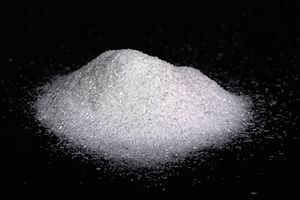
Crystalline Monosodium Glutamate is similar in appearance to Cocaine, crack, or heroin. Like other dangerous substances, it is processed from natural sources.
Mayo Clinic Health Advisory
The MayoClinic reference document on MSG states, “some people report more severe reactions [to MSG]. The only way to prevent a reaction is to avoid foods containing MSG. When MSG is added to food, the FDA requires that ‘monosodium glutamate’ be listed on the label — or on the menu, in restaurants.” The Mayo Clinic warning cites the following list of reported reactions to MSG:
- Headache, sometimes called MSG headache
- Flushing
- Sweating
- Sense of facial pressure or tightness
- Numbness, tingling or burning in or around the mouth
- Rapid, fluttering heartbeats (heart palpitations)
- Chest pain
- Shortness of breath
- Nausea
- Weakness
A summary of the Mayo Clinic report states: “Of the 439 complaints of adverse reactions to MSG received by the FDA-ARMS … 36 (8.2%) were judged by FDA staff to be severe (e.g., difficulty breathing, changes in heart rate and/or blood pressure, chest pain).”
U.S. Government Research – CENSORED
The transport of MSG is controlled by the Bioterrorism Act of 2002. [PDF source] Because there is so much concern about MSG, the FDA commissioned an extensive study to be conducted by the Federation of American Societies for Experimental Biology (FASEB).
That study resulted in a report of about 300-pages completed on 31 July 1995 titled “Analysis of Adverse Reactions to Monosodium Glutamate (MSG).”
That report mysteriously disappeared from public archives. [Old Report Location URL] It is no longer available in digital form online. Here are some references to the report that independently confirm such a report existed at one time.
- AbeBooks [View]
- Amazon [View]
- Food and Agriculture Organization of the United Nations [View]
- Google Books [View]
- GovInfo.gov [View]
- Hacker News Books – Also includes a helpful list of resources. [View]
- National Institutes of Health [View]
- Oxford University Press [View]
- Semantic Scholar – PDF of Executive Summary Only [View]
The report concluded that MSG consumption can result in the following side-effects:
- burning sensation in the back of the neck, forearms and chest
- numbness in the back of the neck, radiating to the arms and back
- tingling, warmth and weakness in the face, temples, upper back, neck and arms
- facial pressure or tightness
- chest pain
- headache
- nausea
- rapid heartbeat
- bronchospasm (difficulty breathing) in MSG-intolerant people with asthma
- drowsiness
- weakness
Here are some excerpts from the report provided by ESPEED [Source]:
- Page 29: “The net result is that certain areas of the brain may be vulnerable to acute, large, magnitude fluctuations in plasma glutamate concentrations because flooding from adjacent circumentrical organs.
- Page 42: “Levels of ingested MSG might be sufficient to raise the concentration of blood glutumate and related compounds enough to change the levels of these amino acids in the brain, particularly in the circumvention areas not protected by the blood-brain barrier.”
- Page 42-43 (regarding the Pineal gland): “The elevated levels of glutumate and related compounds would have adverse neuroexcitatory effects, be neurotoxic, and/or initiate a chain of metabolic events that would result in either neurotoxicity or the release of substances that would cause the neurological manifestations reportedly associated with MSG exposure.”
- Page 46: “It is conceivable that the consumption of MSG in genetically or otherwise predisposed individuals can exacerbate a preexisting neurological condition.”
- Page 100: “In contrast, glutumate concentrations in the extracellular fluid in brain regions not protected by the blood-brain barrier will closely mirror changes in circulating glutumate concentrations.”
- Page 103: “Theoretically, if blood levels seen in animals as a result of MSG challenge were achived in humans, similar lesions and/or neuroendocrine effects would be expected to occur.”
- See pages 28, 29, 43-48, 96, 100, and 104 for citations that the blood-brain barrier can be breached at several sites in the normal brain.
As mentioned in the introduction to this page, Adrienne Samuels stated the following in regard to the now missing report: “The FASEB report on the safety of monosodium glutamate (MSG) in food (Raiten et al. 1995) has grossly misrepresented the facts of the safety/toxicity of MSG, ignoring data that prove that MSG causes brain damage, learning disorders, obesity, stunted growth, infertility and other endocrine problems.” [Source: American Institute of Nutrition, Adrienne Samuels]
Government of South Australia
The Department of Health for South Australia provides an advisory on MSG. [PDF Document]
- NOTE: As of May 2023, like other reports, this advisory has been removed from the government website and is no longer available for public view.
MSG Named as Worst Food Ingredient
According to a report by the UHR, MSG is listed in the #1 position among the top-10 list of most harmful ingredients in foods. Although the Underground Health Reporter is not a top-tier medical research facility, the list they provide offers an insight into what are commonly considered problematic and unnecessary ingredients.

Strong MSG Political Lobby
In the early days of tobacco product promotion, all those involved in the tobacco industry assured the public that tobacco consumption would not have an adverse impact on health. The manufacturers, advertisers, and the tobacco lobby had much at stake. There are some similarities in how MSG is promoted and regulated. So, it’s not surprising that there is an MSG alliance of organizations attempting to ensure the ongoing sale and profitability of MSG distribution.
Simply known as, The Glutamate Association, the front organization for promoting and defending MSG sales is shrouded behind a cloak of secrecy. The official Glutamate Association website doesn’t reveal their physical location or the identity of any members. With 5.8 billion dollars at stake, you can believe this organization is doing everything it can to hold on to their lucrative market dominance.
The organization is self-described as: “The Glutamate Association, established in 1977, is an association of manufacturers, national marketers, and processed food users of glutamic acid and its salts, principally the flavor enhancer, monosodium glutamate (MSG). Among the Association’s international members are many of the world’s largest food companies involved in such diverse areas as the manufacturing and marketing of food ingredients, spice and flavor blends, and canned, frozen and other packaged prepared foods.”
Lack of Government Regulation
Despite numerous findings by government agencies and health institutions, the FDA refuses to take any action that would prohibit the use of MSG. As with many uncontrolled substances, it all comes down to money. The sale of Monosodium Glutamate is big business. Despite the health hazards, as of 2003, annual worldwide demand was about 1.1 million tons. In 2020 it is estimated to be a 5.8 billion dollar industry. So, it’s unlikely that any government agency will limit the use of MSG. In such circumstances, it is up to consumers to become informed to protect themselves.
Snack Foods Without MSG
Despite its dangers, monosodium glutamate is still found in many snack foods and common quick meal foods like Top Ramen instant noodles contains MSG.
Given its prevalence, one would think it’s impossible to make a spicy snack food without using MSG. However, it is clearly possible to manufacture very tasty and flavorful snack foods without the use of MSG as demonstrated by the following manufacturers’ products that do not contain MSG.
Frito Lay provides the following disclaimer on their website: “Monosodium Glutamate (MSG) is commonly used in many foods as a flavor enhancer. Some people report sensitivity to Monosodium Glutamate and prefer to avoid foods containing the ingredient. If we add MSG to our products, it will be listed in the ingredient statement as Monosodium Glutamate. We have not added Monosodium Glutamate to the following Frito-Lay products.” [Source] They provide a long list of product that contain no added MSG.
Here are some more examples of foods without MSG.
- Blue Diamond Almonds spicy flavors such as Habañero BBQ Almonds and Wasabi and Soy Almonds are delicious without MSG.
- Cheez-It snack crackers (original flavor) are made without MSG, although some variations of Cheez-It crackers such as Buffalo Wing contain MSG.
- Of anecdotal interest, Pinterest user Valerie Jimenez created a list of foods without MSG.
Further Reading
Below are links to books and articles with additional information about MSG.
- Blaylock, Dr. Russell L. – “Excitotoxins: The Taste That Kills” [View]
- Chemical Engineering News – “Monosodium Glutamate” (28 Jul 2003) [View]
- Globe Newswire – “Global Monosodium Glutamate Market Poised to Surge from USD 4,500.0 Million in 2014 to USD 5,850.0 Million by 2020” [View]
- Harvard – “Baby Food Manufacturers Will Suspend Use of MSG” Excerpt: “Three manufacturers of baby food have agreed to suspend the use of monosodium glutamate, a potentially dangerous food flavor enhance, after mounting criticism concerning the safety of the substance.” [View]
- Harvard – “Fact or Fiction? The MSG Controversy” by Monica Singh [View]
- Healthline – “MSG (Monosodium Glutamate): Good or Bad?” Excerpt: “Symptoms included headache, muscle tightness, numbness, tingling, weakness and flushing.” [View]
- How Stuff Works – “The Dangers of Monosodium Glutamate” [View]
- Journal of Nutrition – “Executive Summary from the Report – Analysis of Adverse Reactions to Monosodium Glutamate (MSG)” Cite: Raiten, Daniel J. et al. “Executive summary from the report: analysis of adverse reactions to monosodium glutamate (MSG).” The Journal of nutrition 125 11 (1995): 2891S-2906S . [View]
- Mayo Clinic – “Monosodium glutamate (MSG): Is it harmful?” [View]
- Olney, John W. – “Brain Lesions, Obesity, and Other Disturbances in Mice Treated with Monosodium Glutamate” [View]
- Samuels, Adrienne – “It Wasn’t Alzheimer’s. It Was MSG.” Synopsis: “[Readers] will meet the men and women who market the toxic chemicals now poured into food; rig their studies to conclude they have not found MSG to be harmful; and secure the cooperation of government, the media, and the medical community to do their bidding.” [View]
- Samuels, Adrienne – “LSRO Report: Monosodium Glutamate” [Oxford Academic Press | View]
- Schwartz, Dr. George R. – “In Bad Taste” [View]
- Sugita, Yoshi-hisa – Statement from MSG Manufacturers Syndicate [View]
- Truth in Labeling – Monosodium Glutamate Report [View]
- Wikipedia – “Monosodium glutamate” [View]
Dr. Russell Blaylock – “The Taste That Kills”
Monosodium Glutamate is categorized as an Excitotoxin. In 1996, Dr. Russell L. Blaylock M.D. published the book Excitotoxins: The Taste that Kills. In his book, Dr. Blaylock cites studies in which MSG was found to produce brain lesions, obesity, and brain damage.
Citing a 1968 study conducted by Dr. John W. Olney, Dr. Blaylock writes, “… not only did MSG cause severe damage to the neurons in the retina of the eye, but … it also caused widespread destruction of neurons in the hypothalamus and other areas of the brain adjacent to the ventricular system, called the cirumventricular organs.” (p. 35)
Dr. Blaylock continues, “… at the time of Dr. Olney’s report, even baby foods contained relatively large doses of MSG. … The discovery of Dr. Olney was particularly important because the hypothalamus plays such an important role in controlling so many areas of the body.
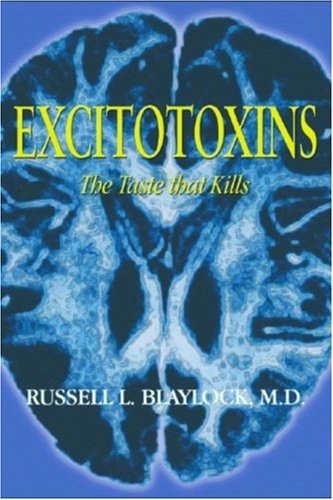
This little piece of brain, no larger than the fingernail of your little finger, controls a multitude of systems: regulating growth, the onset of puberty, most of the endocrine glands, appetite, sleep cycles and waking patterns, the biological clock and even consciousness itself. Dr. Olney’s studies on various species of test animals disclosed that MSG, when fed in doses similar to those found in human diets, destroys hypothalamic neurons. This type of hypothalamic damage produces a particular syndrome in animals which caused them to be short in stature, obese, and to have reproductive problems.
Recognizing the immediate danger to the public, especially to the unborn child, Dr. Olney and others testified before Congress concerning these dangers. As a result of their vigilance, MSG was voluntarily removed from baby foods in 1969. But no one had warned pregnant women of the danger to their developing babies caused by the MSG found within their own food. This danger would exist if the glutamate from the mother’s blood entered the blood of their unborn baby. In 1974, Dr. Olney demonstrated that MSG, when fed to pregnant Rhesus monkeys, could cause brain damage to their offspring. Other researchers found similar results when pregnant rats were fed MSG.” (pp. 36-37) [View or Buy the Book]
Video: “The Taste That Kills”
Below is a presentation by Dr. Russell L Blaylock on the harmful impact of MSG.
Page Visitors (8 Apr 2020)
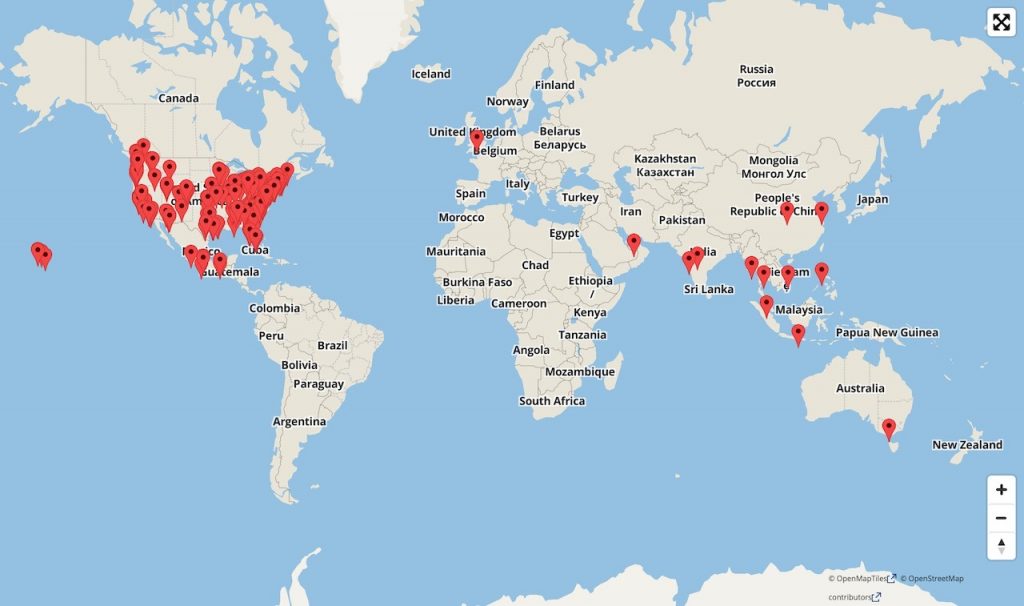
This page continues to be visited frequently due to the ongoing concern about MSG. The maps below show anonymized locations for 200 recent page visitors on 8 Apr 2020 at 11:19 AM CT.
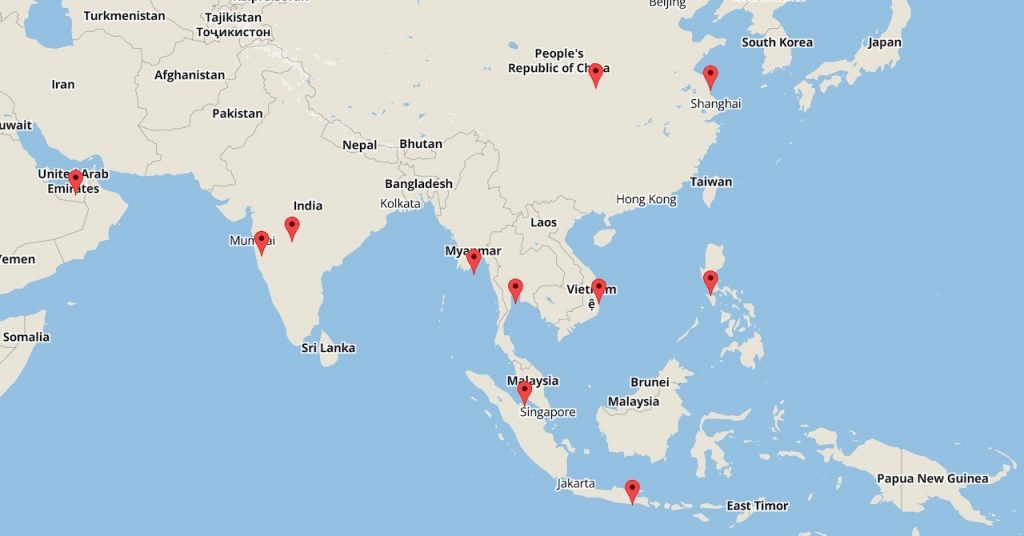









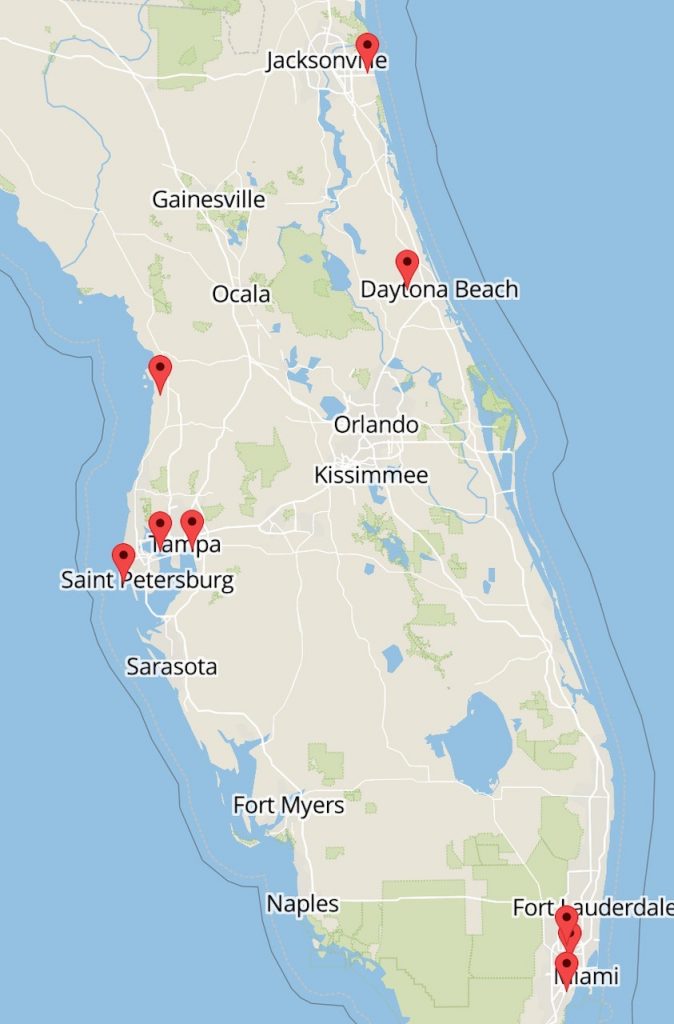




Page Visitors (22 Nov 2013)
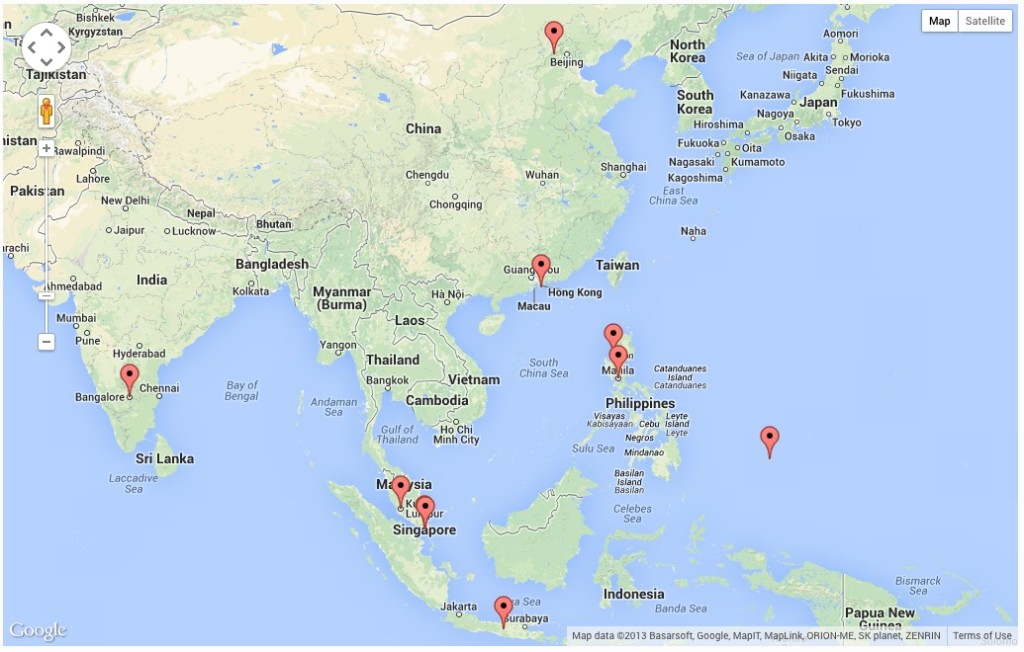
The maps below show anonymized locations for 200 recent page visitors on 22 Nov 2013 at 8:08 PM CT.
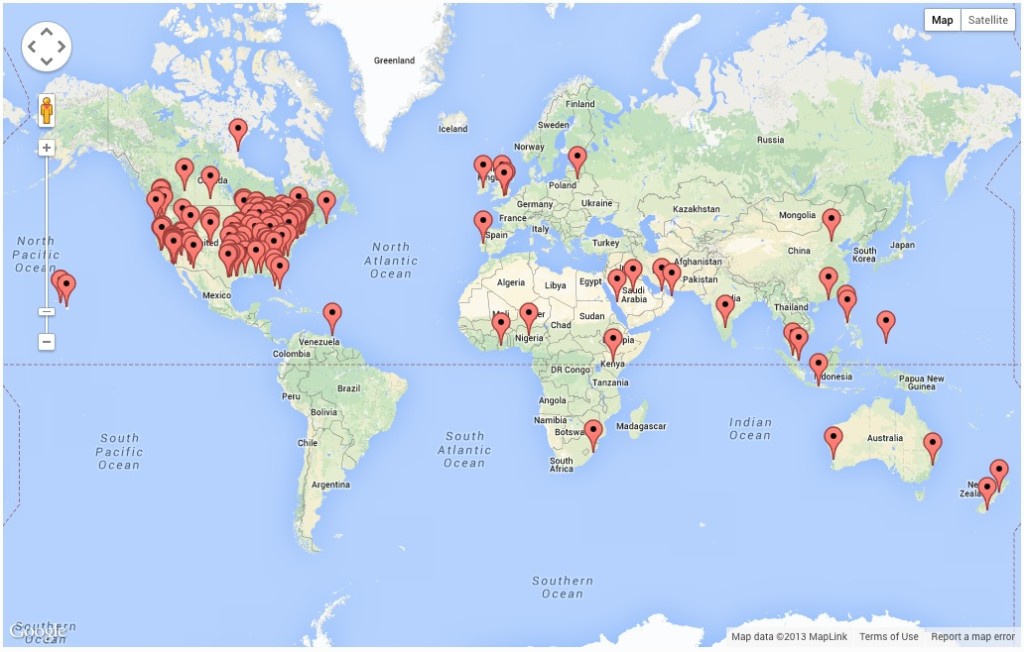

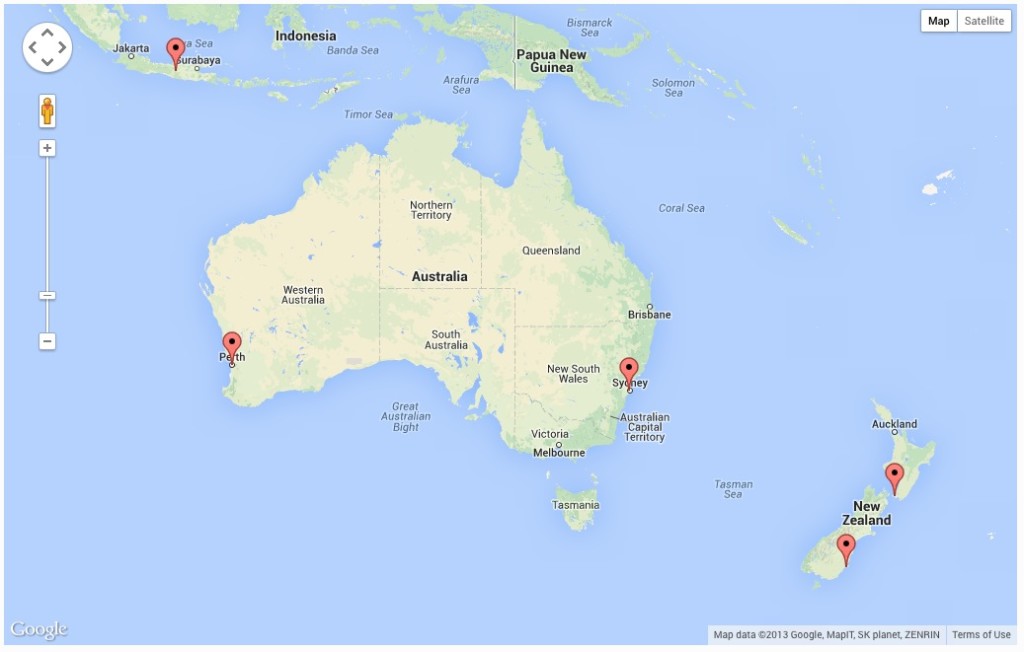


Document History
- 8 Apr 2020 at 15:40. Major revisions in layout. Converted to new blocks elements in WordPress. Added some links. Corrected broken links. New page visitor maps provided.
- 26 Feb 2020 at 7:26 PM. Revised to correct two typos.
- 3 Sep 2008 at 10:01 AM. Original document published.
1 comment
Comments are closed.